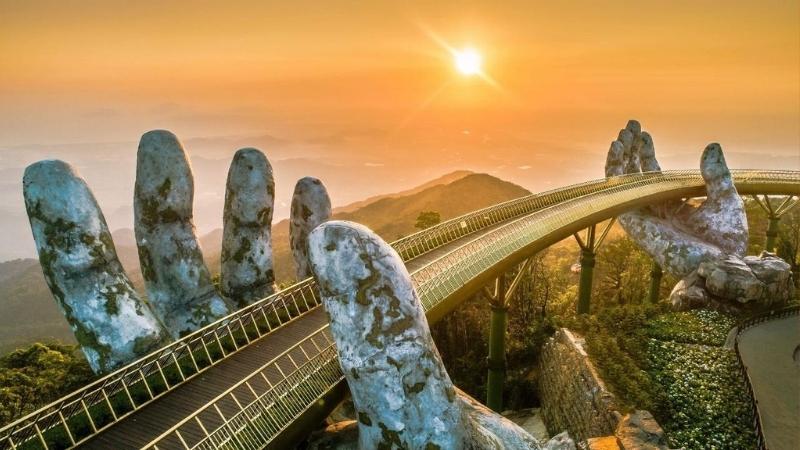
You have seen the images flooding social media. Two giant mossy hands holding a shimmering golden thread out of a cliffside. A medieval castle floating above the clouds. Ba Na Hills is the most recognizable landmark in Central Vietnam, attracting millions of visitors every year.
But simply looking at photos does not prepare you for the scale of this place.
Located 1,487 meters above sea level in the Hoa Vang District (about 25km west of Da Nang city center), Ba Na Hills sits on the Nui Chua Peak of the Truong Son Mountain Range. This geographic position creates a distinct microclimate where you can experience four seasons in a single day.
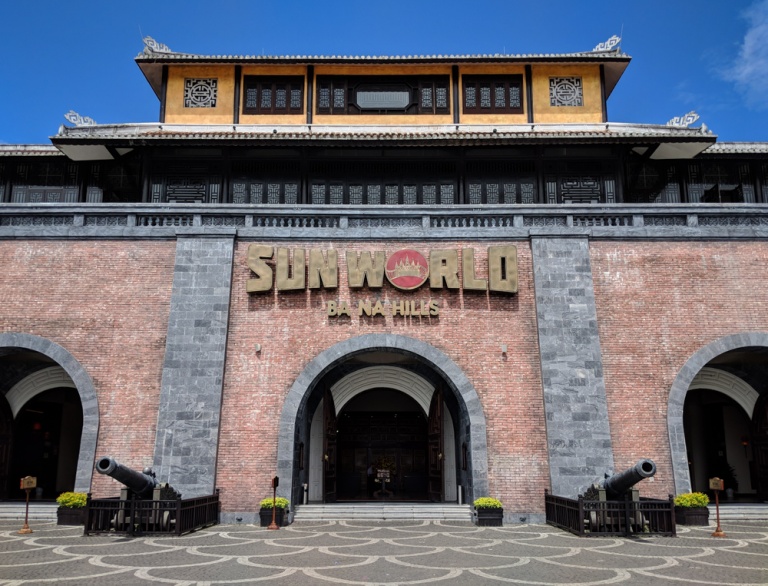
However, beneath the modern veneer of roller coasters and selfie spots lies a fascinating history. To truly appreciate this destination, you must look past the crowds and understand the layers of history, culture, and entertainment that built it.
Here is the definitive breakdown of the names, the history, the map, and the 11 phenomenal experiences that define Ba Na Hills.
The Forgotten History and The Mystery of the Name
Before the cable cars and the Golden Bridge, this mountain was a silent retreat. Understanding the names gives soul to the stone buildings you see today.
Why is it called “Ba Na”?
Ask three locals, and you will get three different answers. There are two main theories:
- The French Theory: When the French first arrived, they saw the mountain covered in wild banana trees. They called it “Montagne des Bananes” (Mountain of Bananas), which locals eventually shortened to Ba Na.
- The Cham Theory: Others believe the name comes from the Champa culture, specifically “Ponagar” (The Holy Mother), referring to the spiritual sacredness of the peak.
The Discovery of 1919
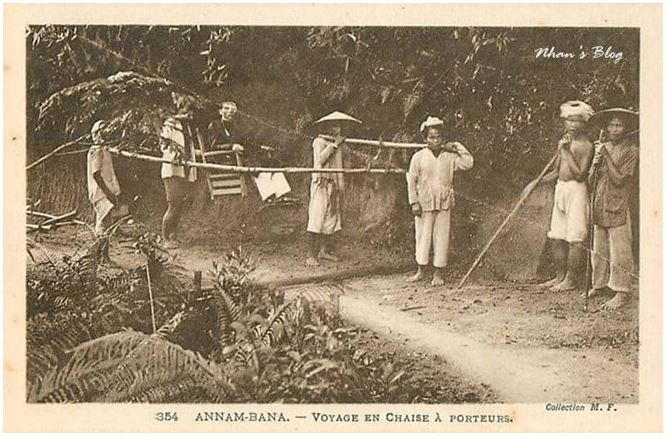
In the early 20th century, French officials struggled with the tropical heat. They commissioned Captain Debay to find a cool, high-altitude sanctuary. He discovered the Nui Chua peak in 1919. It was isolated, cool, and pristine. This is why many landmarks today bear his name.
The Resurrection
By the 1940s, it was a thriving resort. But wars came, the French left, and the jungle swallowed the villas. For decades, it was a ghost town. In the late 2000s, the Sun Group undertook the impossible task of reviving the resort, building the cable car system on the exact footprint of that lost era.
Decoding the Massive Ba Na Hills Map
The complex is huge and can be confusing. To navigate it like a pro, visualize the mountain in three main levels.
- The Base (Suoi Mo Station): Named after the “Dream Stream” that flows below. This is just the ticket counter and departure terminal.
- The Middle Level (Cultural Hub): This is where the cable car drops you first. It contains the Golden Bridge, Le Jardin D’Amour Gardens, Linh Ung Pagoda, and the Wine Cellar.
- The Summit (French Village): The main entertainment zone at the very top. It holds the French Village, Fantasy Park, and connects to the new Moon Kingdom.
Local Hint: You cannot walk between Level 2 and Level 3. You must use the internal cable car or the funicular train.
The Unpredictable Weather Patterns You Must Respect
Because of its altitude, the weather at Ba Na Hills is notoriously volatile. It operates by its own rules, completely separate from Da Nang city below.
Four Seasons in One Day
- Morning (Spring): Crisp and cool (17-20°C). Mist clings to the trees.
- Noon (Summer): The sun breaks through. UV rays are strong.
- Afternoon (Autumn): Clouds roll in. It gets breezy.
- Evening (Winter): Temperatures drop (below 15°C). Fog blankets the village.
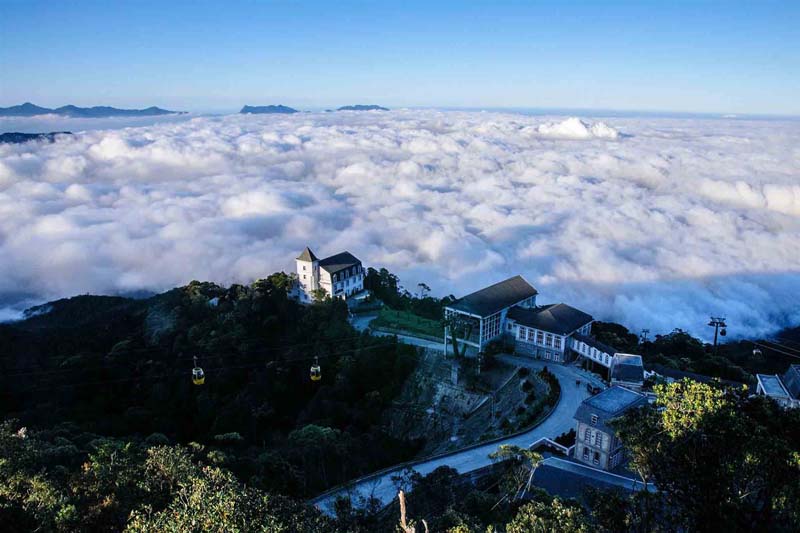
The World Record Cable Car Ride Over the Jungle
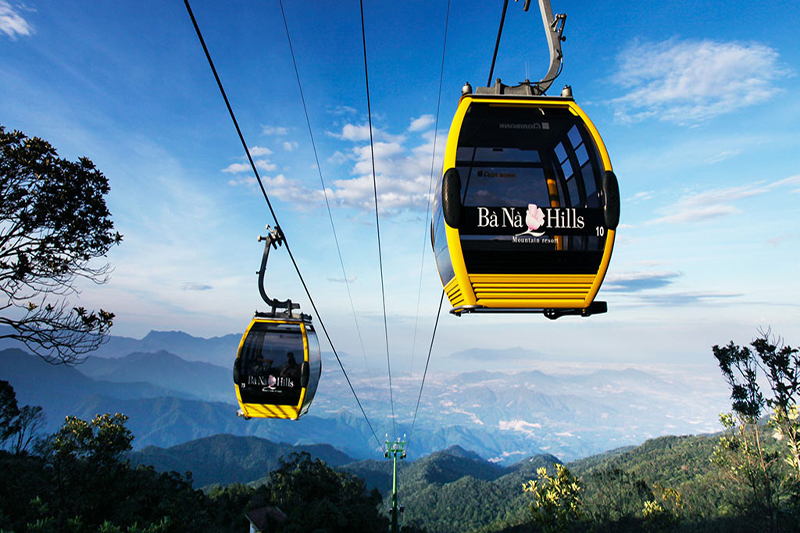
You cannot drive to the top. The only way up is via the cable car, and this journey is an attraction in itself. The system holds 4 Guinness World Records, including the longest single-wire cable car in the world (5,801m).
As the cabin leaves the station, the ground drops away instantly. You float over the untouched primeval jungle. Looking down, you might spot the majestic Toc Tien Waterfall (Fairy Hair Waterfall), a white ribbon of water crashing through the green canopy. The ride is smooth, but the sensation of flying through the clouds is adrenaline-inducing.
The Famous Golden Bridge (Cau Vang)
Opened in 2018, this bridge instantly became a global icon. Contrary to popular belief, it does not connect two mountains. It is a 150-meter pedestrian walkway connecting the Marseille Station to the Garden of Eden. The design evokes the hands of a God pulling a golden strip out of the earth.
Local Hint: It is crowded. To see it without people, you must take the first cable car at 8:00 AM or stay until 5:00 PM for the sunset.
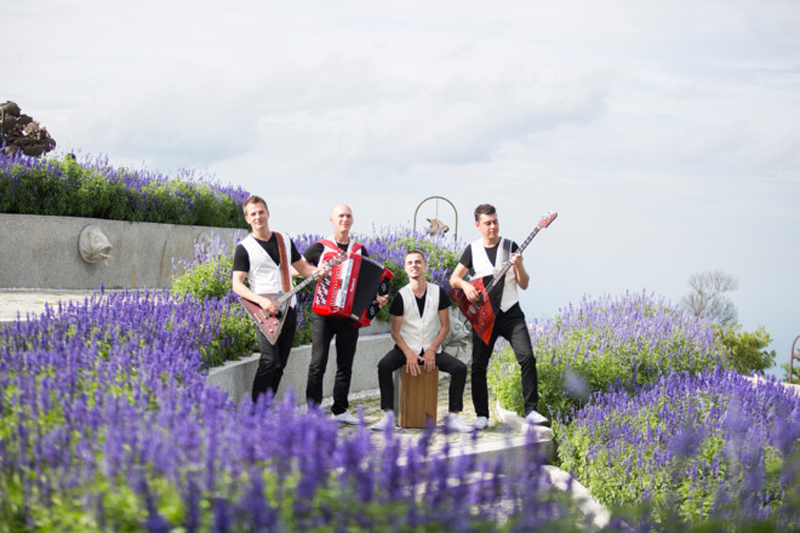
The Romantic Le Jardin D’Amour Flower Gardens
Just across the bridge lies a massive colorful contrast to the stone structures. Le Jardin D’Amour literally translates to “The Garden of Love”. It consists of 9 distinct gardens, each with a different theme.
- The Legend Garden: Inspired by Olympia peaks.
- The Grape Garden: Recreates the vineyards of France to honor the wine history. It is the most photogenic spot on the mountain for couples.
The Historic 1923 Debay Wine Cellar
This is the hidden gem. While the village above is new, this tunnel is original. Named after Captain Debay (the discoverer mentioned earlier), French colonists dug this 100-meter tunnel deep into the mountain rock in 1923 to store wine at a natural 16-20°C. Walking through the cellar today, you can smell the damp stone and old oak barrels. At the end, there is a bar serving hot Mulled Wine.
The Funicular (Mountain Train)
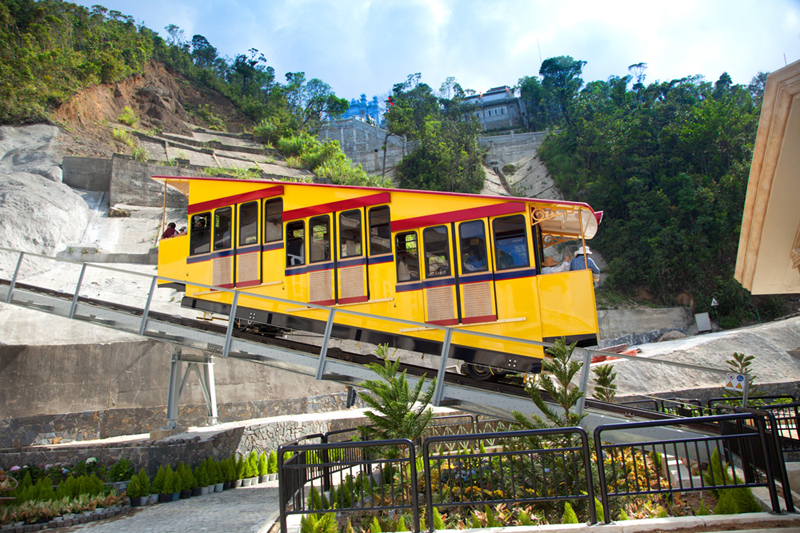
You don’t have to hike up the steep slopes. The Mountain Train (Tau Hoa Leo Nui) was the first funicular in Vietnam. It crawls up the cliffside, transporting you from the Wine Cellar area to the D’Amour Gardens. It is a slow, scenic ride that offers panoramic views of the coastline below.
The Serene Linh Ung Pagoda and Spiritual Triangle
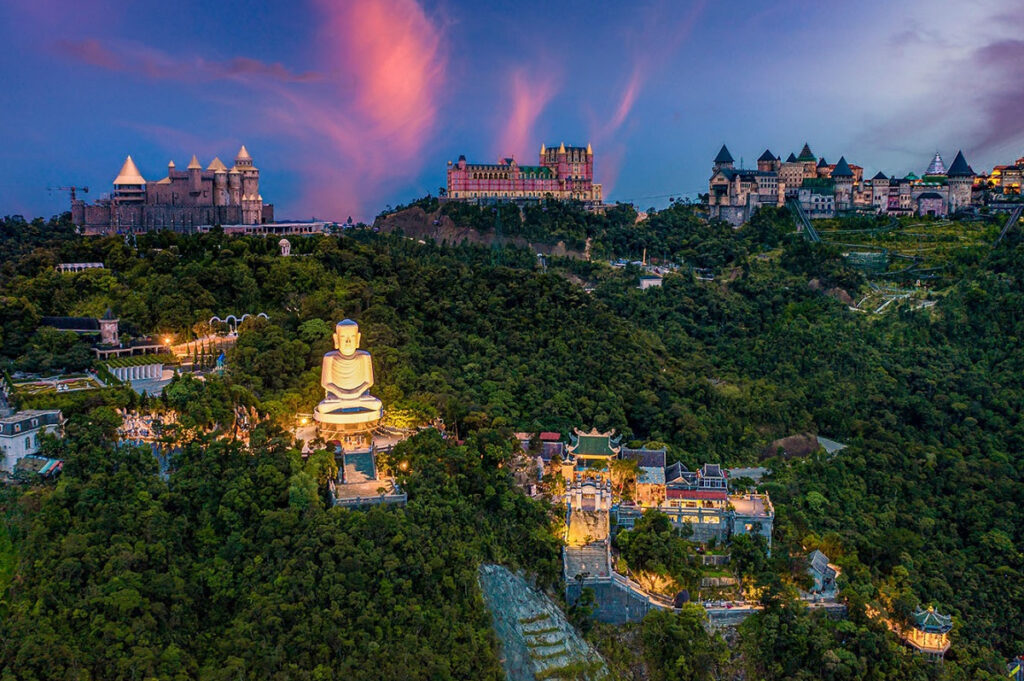
Located near the Flower Gardens is the spiritual heart of the mountain: the Linh Ung Pagoda. Its centerpiece is a massive 27-meter white Buddha statue sitting on a lotus, meditating amidst the clouds.
Locals believe Da Nang is protected, by a “Holy Triangle” of three Linh Ung Pagodas: one on the Son Tra Peninsula (Sea), one on the Marble Mountains (Earth), and this one on Ba Na Hills (Forest). Standing here offers a moment of Zen silence away from the crowds and arguably the best panoramic view of the coastline on a clear day.
The Medieval French Village and European Fair
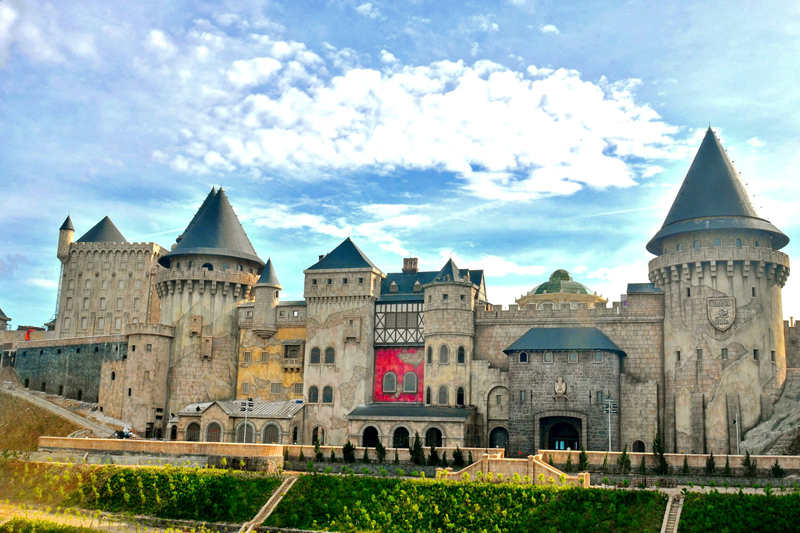
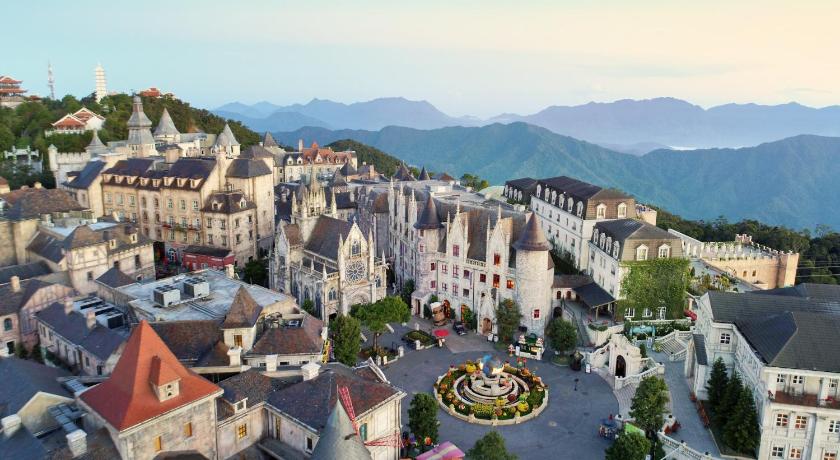
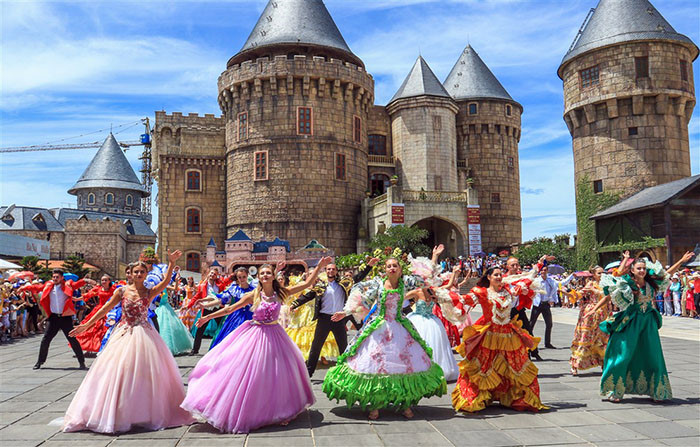
The summit is dominated by the French Village. Architects studied real medieval French towns to design this zone, featuring a Gothic cathedral, a town square (Du Dome), and cobblestone streets.
The village is a living stage. Throughout the day, international artists perform the European Fair. You will see stilt walkers, dancers in elaborate costumes, and fencing Musketeers. This constant energy prevents the village from feeling artificial and turns it into a festive celebration.
The Thrilling Alpine Coaster
For adrenaline junkies, this is the highlight. The Alpine Coaster (Xe Truot Ong) lets you control your own sled as it spirals down the mountainside. You control the brakes. You can go slow to admire the view, or push the lever down to hit 40km/h.
Local Hint: There are usually two tracks. If the line for Track 1 is long, walk around the corner to find Track 2.
The Fantasy Park and Indoor Drop Tower
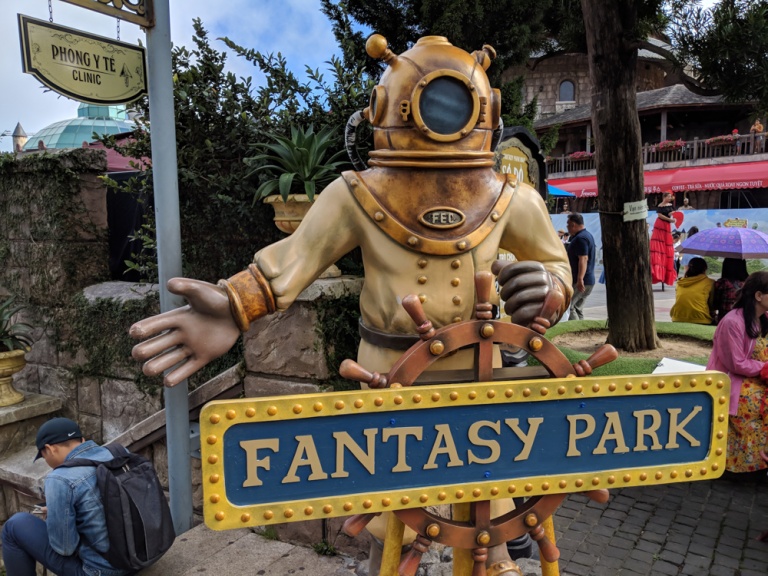
Hidden beneath the village is a massive 3-story indoor amusement park inspired by Jules Verne’s novels (Journey to the Center of the Earth).
- The Drop Tower: Located in the central atrium, it shoots you up to the glass ceiling and drops you down.
- The Value: Most arcade games and 4D/5D rides here are free (included in your ticket).
The Fresh Craft Beer at Beer Plaza
You might not expect this, but Ba Na Hills is a destination for beer lovers. At the Beer Plaza, they serve fresh Sun KraftBeer, brewed right here on the mountain using the high-altitude water source. Drinking a liter of cold “Black Beer” (Stout) while listening to a live band in the mist feels like a genuine Oktoberfest experience.
The Fantasy World of the Moon Kingdom
In 2022, a new zone opened: The Moon Kingdom. Accessible via the Lava Train (a new funicular with theatrical effects), this zone features the Lunar Castle and Eclipse Plaza. It also houses the Airship Cinema, a high-tech Virtual Reality theater that offers a much more immersive sensation of flight than the older rides.
The Complete Breakdown of Ticket Types and What They Cover
Buying a ticket to Ba Na Hills can be tricky because the inclusions are not always clear. Here is exactly what you are paying for.
The Standard Admission
- Admission Ticket: Grants you entry to the complex.
- Combo Ticket: Grants entry + A Buffet Lunch voucher.
Insider Warning: During peak season (June-August) or public holidays, Sun World Ba Na Hills often blocks the “Admission Only” option. You are forced to buy the Combo. It is their way of managing crowds.
What is Included (FREE)?
Once you pass the gate, these are free:
- Round-trip Cable Car ride (all lines).
- The Golden Bridge access.
- The Funicular Train ride.
- Fantasy Park: 90% of the games, including the Drop Tower, 3D/4D/5D cinemas, and Alpine Coaster.
- Entrance to French Village, Moon Kingdom, Gardens, and Pagodas.
What is EXCLUDED (You Pay Extra)?
Bring your wallet for these:
- Wax Museum: Requires a separate ticket.
- Skill Games: The “Carnival” style games in Fantasy Park where you win stuffed animals.
- Debay Wine Cellar: Entry is free, but the wine tasting requires a ticket.
- Food & Drink: Unless you have the Buffet Combo.
- Wow Pass: Skip the Line
Getting to the Gates From Da Nang and Hoi An
Ba Na Hills is located in the Hoa Vang District, tucked away in the mountains. Depending on where you start, your transport options will differ.
From Da Nang City (The Easy Route)
The drive takes about 40 minutes via the Hoang Van Thai Highway.
- The Vibe: Quick and convenient. You can easily do a day trip.
- Your Options:
Private Car: Stress-free, driver waits for you.
Group Tour: Most tours depart from Da Nang city center hotels.
From Hoi An Ancient Town (The Day Trip)
This is a longer haul, taking about 60-75 minutes across the countryside.
- The Vibe: Since it is a long drive, treat it as a full-day commitment.
- Your Options:
Private Transfer: Highly recommended. Taxis are expensive for this distance.
Shuttle Bus: There are specific shuttles running Hoi An <-> Ba Na Hills, but the schedule is rigid.
Final Verdict The Jewel of Da Nang
Ba Na Hills is a place of contrasts. It is ancient and modern, chaotic and serene. Whether you are riding the record-breaking cable car or bowing before the giant Buddha in the clouds, it offers experiences you cannot find anywhere else in Vietnam.